

Section
Geopolitics
Power politics, diplomacy, sanctions, conflicts and international relations.
The Geopolitics section follows power relations, diplomacy, sanctions, conflicts and security architectures. It connects national decisions with regional balances and international institutions.
Featured
Hormuz: The Escape Routes Are Closing
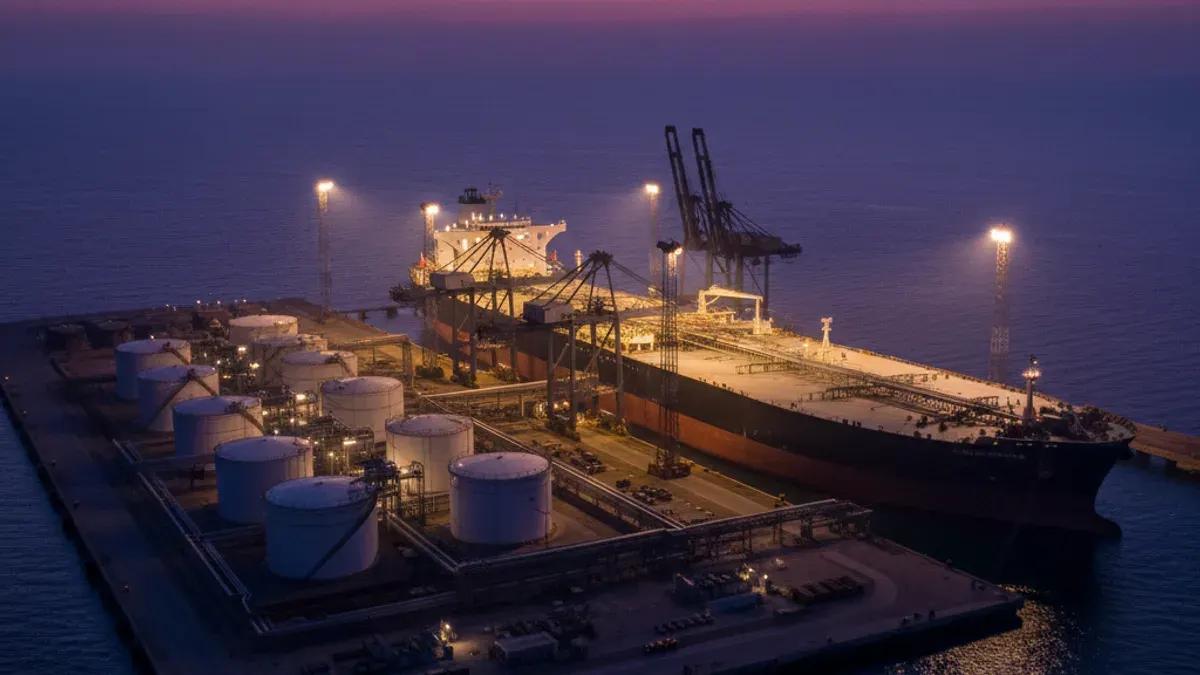
Hormuz: The Escape Routes Are Closing
For decades, the Gulf’s energy vulnerability could be reduced to a map and a narrow passage. Between Iran and Oman, the Strait of Hormuz concentrates a considerable share of the region’s oil exports. Any crisis capable of disrupting navigation there therefore raises the same ques
AnalysisRecent publications
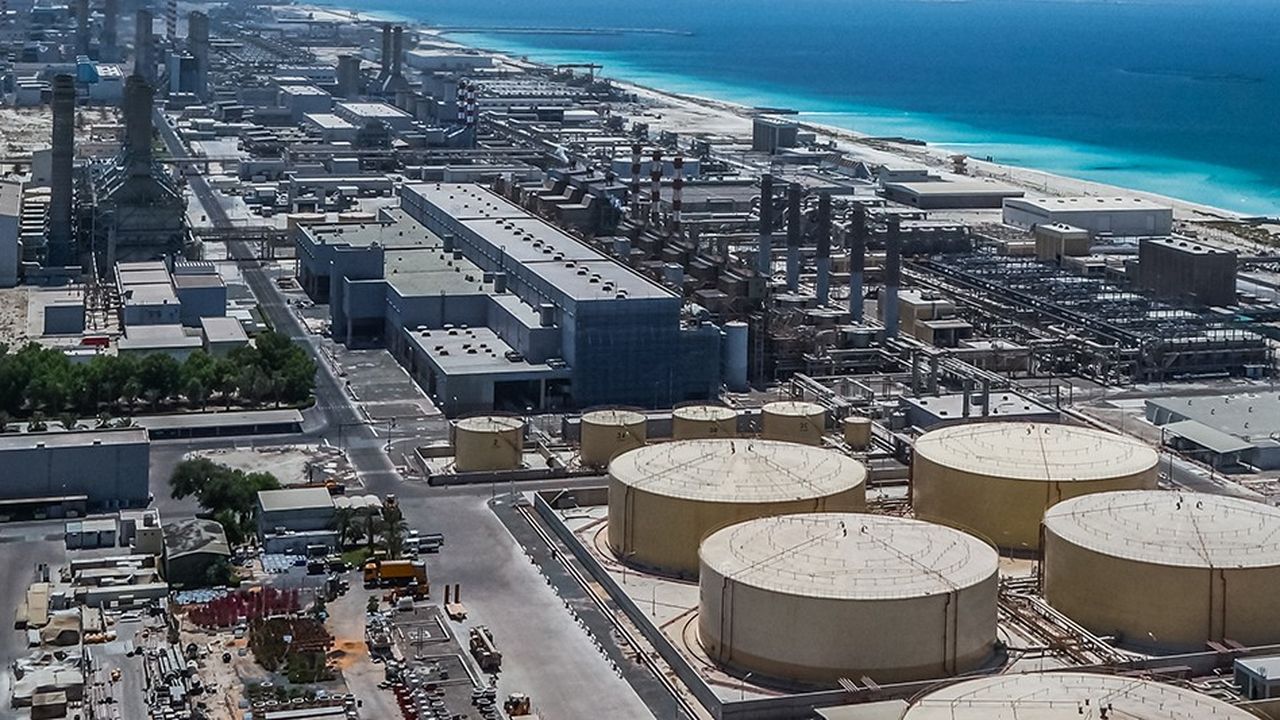
Desalinate to Survive: The New Geopolitics of Water
For thousands of years, the geography of water largely determined the geography of human societies. Cities developed near rivers, agriculture around fertile basins, and states according to the water resources they could capture, transport, or defend. Egypt depends on the Nile, Me
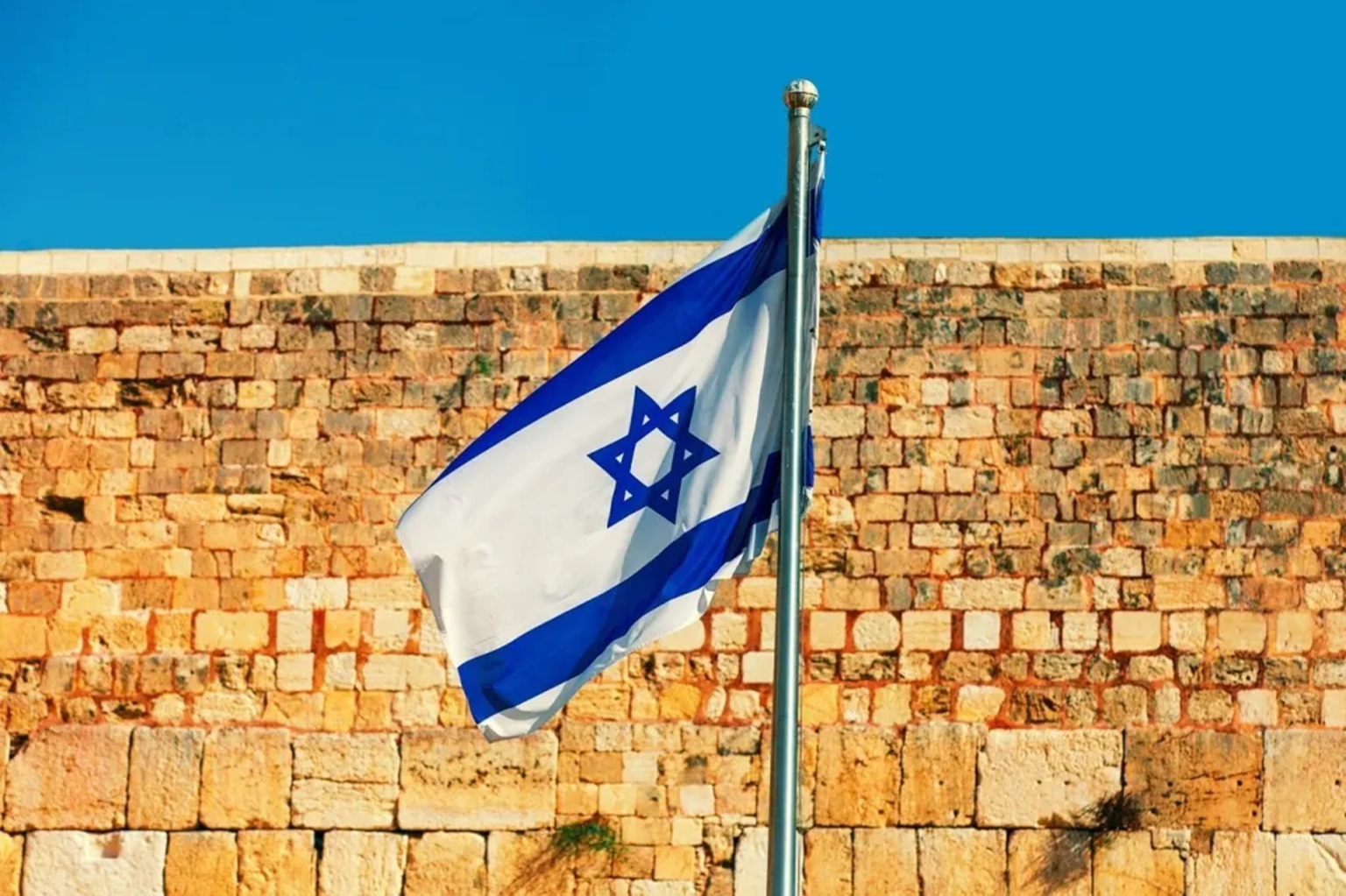
Israel: Power Under Pressure
Few states concentrate so much power, vulnerability, and controversy within such a small territory. Israel today has a population of just over 10 million. Its economy belongs to the group of advanced economies, its technology sector occupies a disproportionate place in global inn
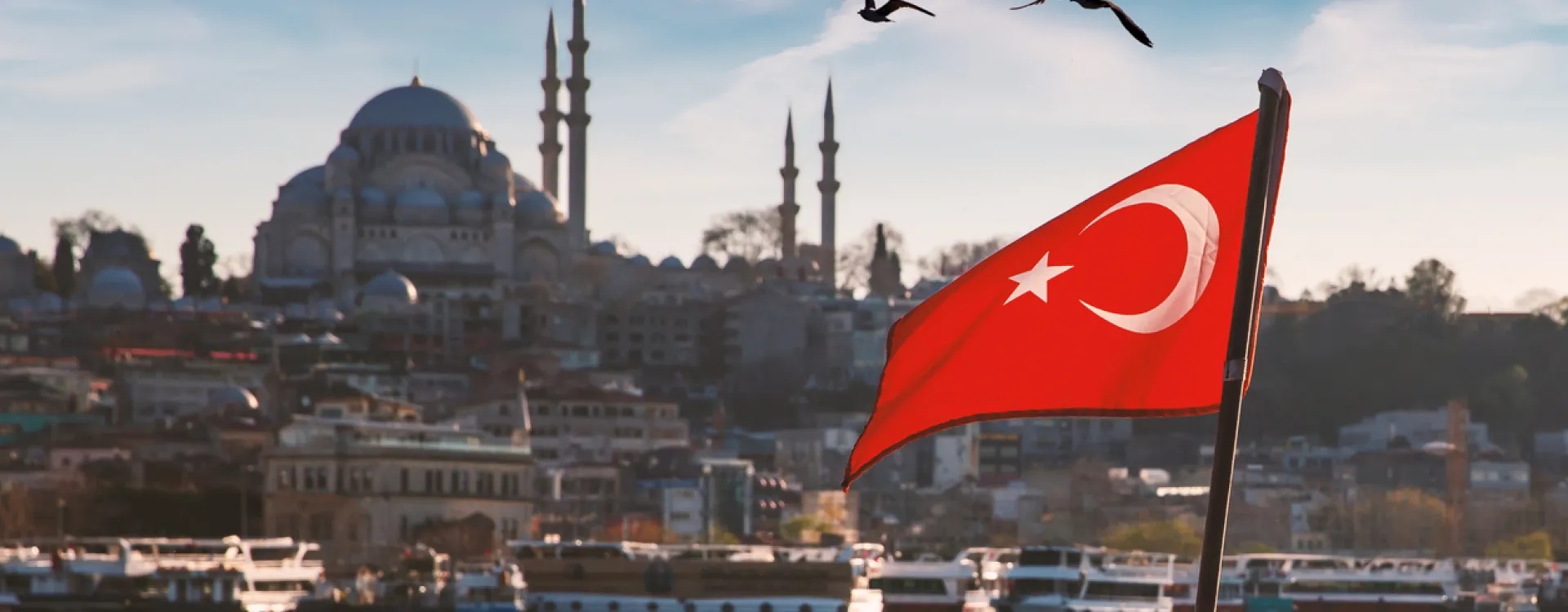
Türkiye or the Art of Strategic Balance
Geography as an Instrument of Power Few countries occupy a geographical position as strategically significant as Türkiye. Stretching across Anatolia and Eastern Thrace, it physically connects Europe and Asia while overlooking the Black Sea, the Aegean Sea and the Mediterranean. I
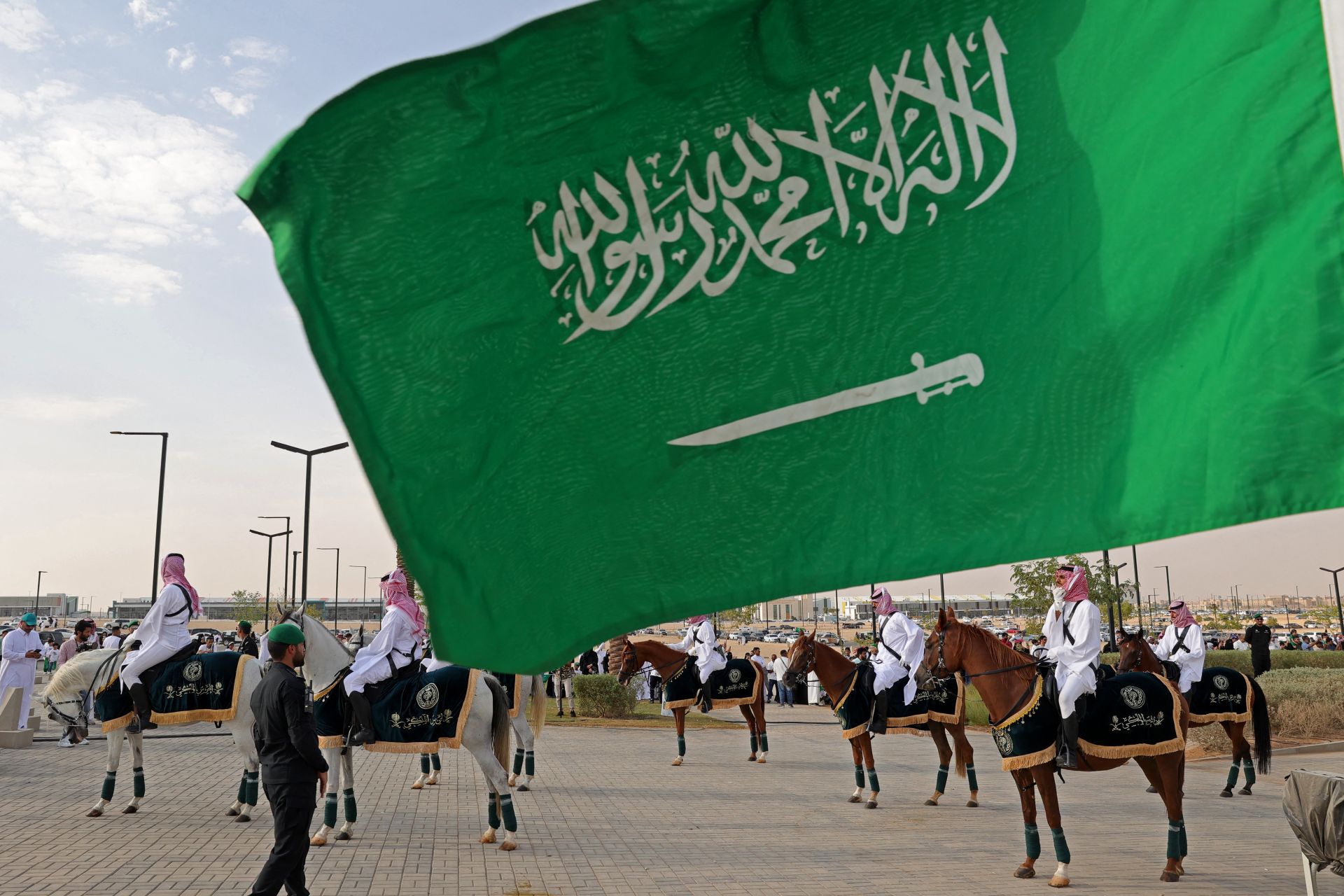
Saudi Arabia in the World
For several decades, Saudi Arabia occupied a singular position in international relations. It was simultaneously a leading oil exporter, the custodian of Islam’s holiest sites, a strategic partner of the United States, and one of the political centres of the Arab world. Its power
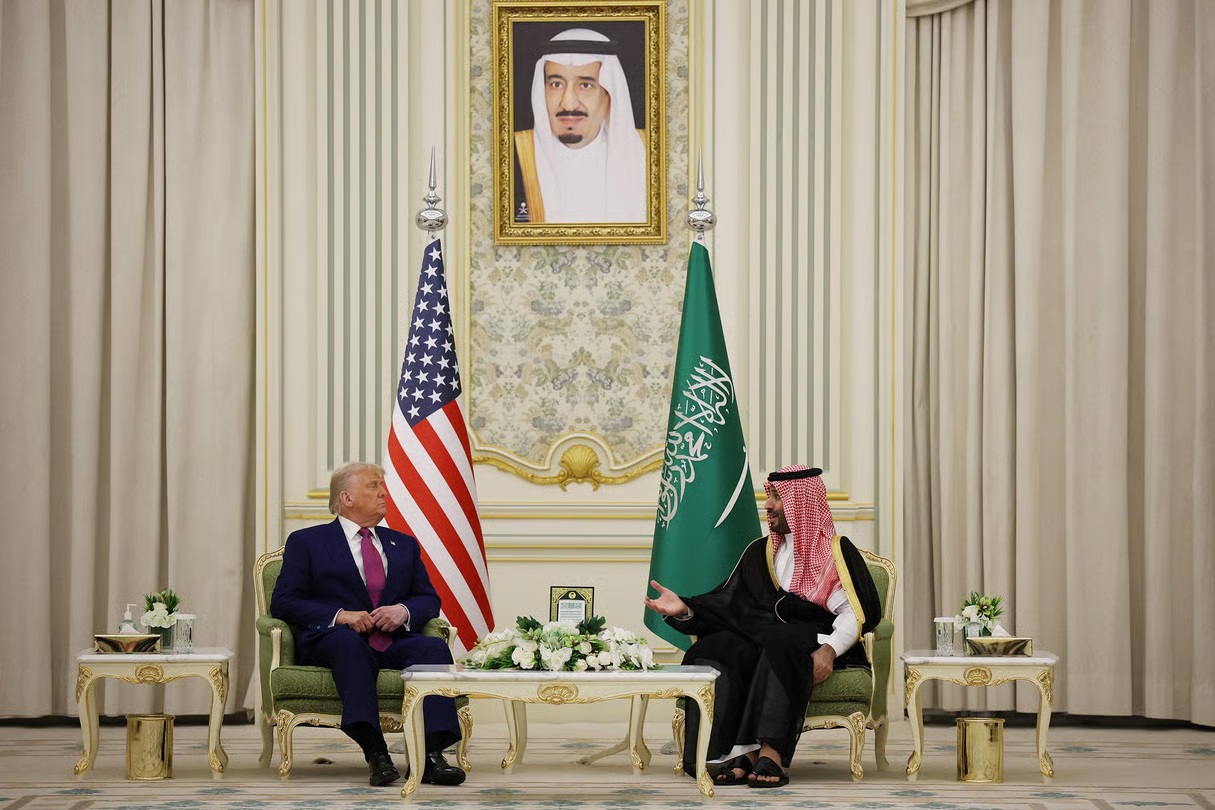
Saudi Arabia – United States: An Alliance in Transition
For nearly eight decades, relations between Saudi Arabia and the United States rested on an apparently simple formula: the security of the kingdom in exchange for its contribution to global energy stability. That interpretation remains useful, but it is no longer sufficient to ex
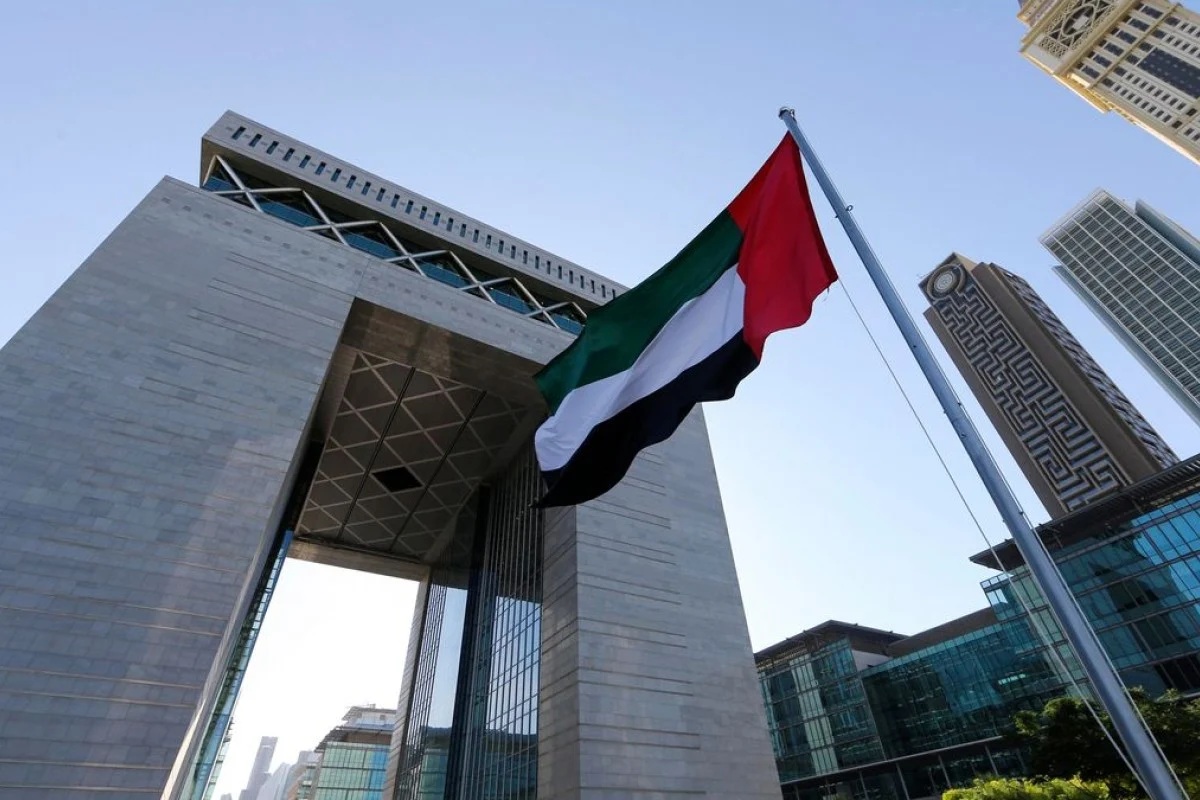
The United Arab Emirates: Building a Global Power
In just over half a century, the United Arab Emirates (UAE) has evolved from a newly established federation of small Gulf emirates into one of the world's most influential economic, diplomatic, and technological actors. While its substantial hydrocarbon reserves provided the foun
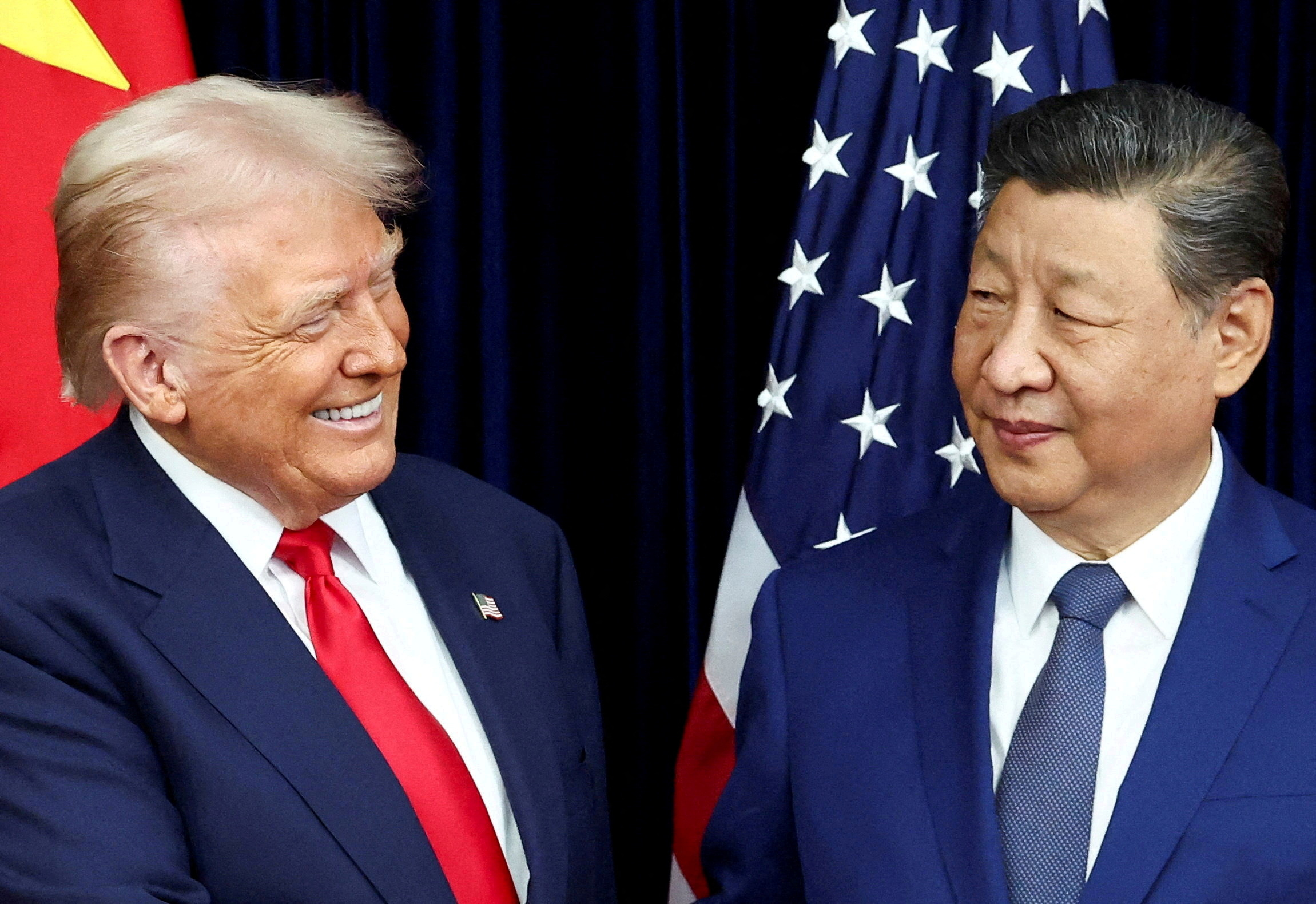
Behind the Middle East: The Strategic Rivalry Between the United States and China
The successive crises in the Middle East are often analyzed through a regional lens: religious rivalries, territorial disputes, or local power struggles. Yet at a broader strategic level, the region primarily represents a central node in the power competition between the United States and China.
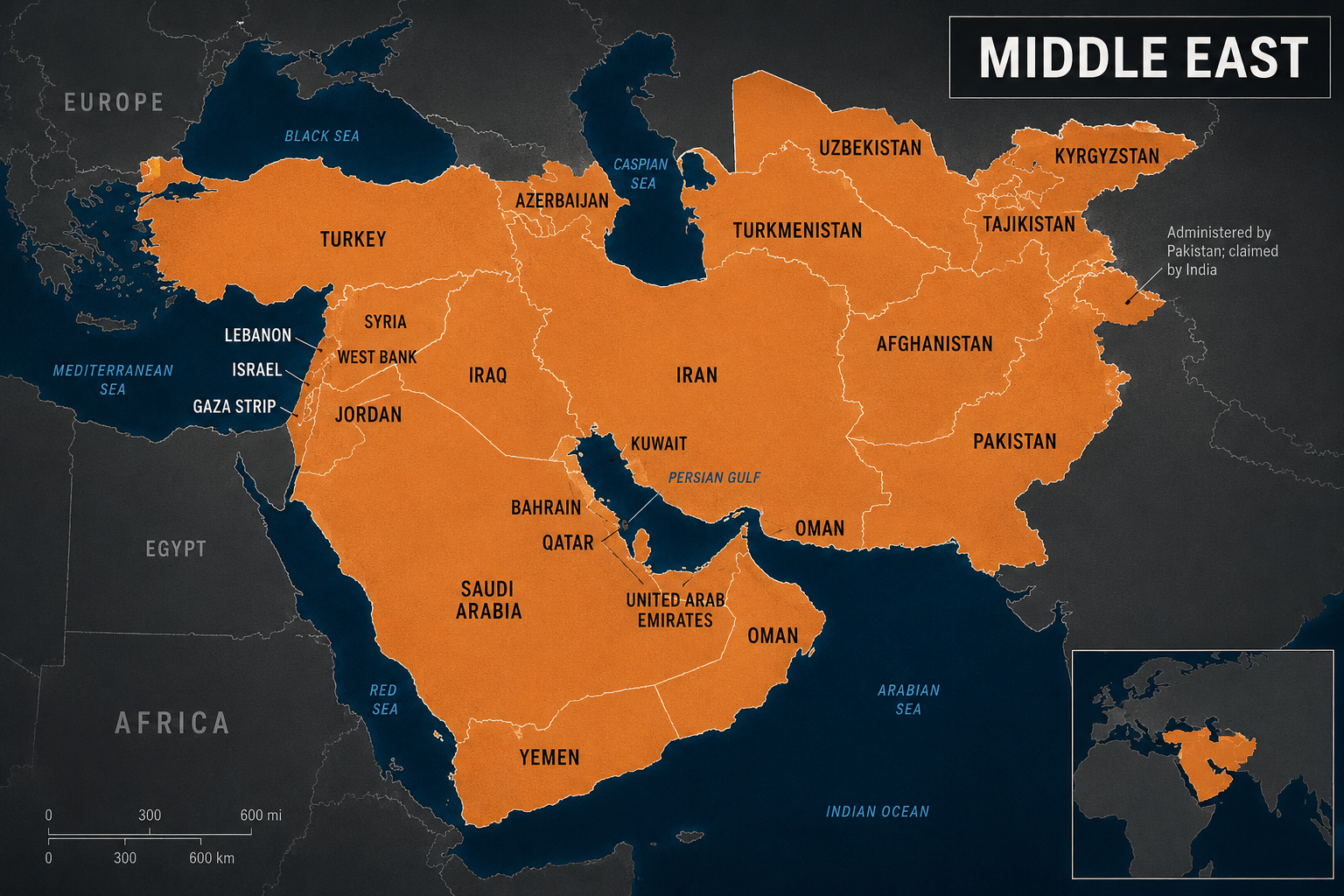
The Five Fault Lines of the Middle East - 2026
The Middle East remains the epicenter of global geopolitics.